
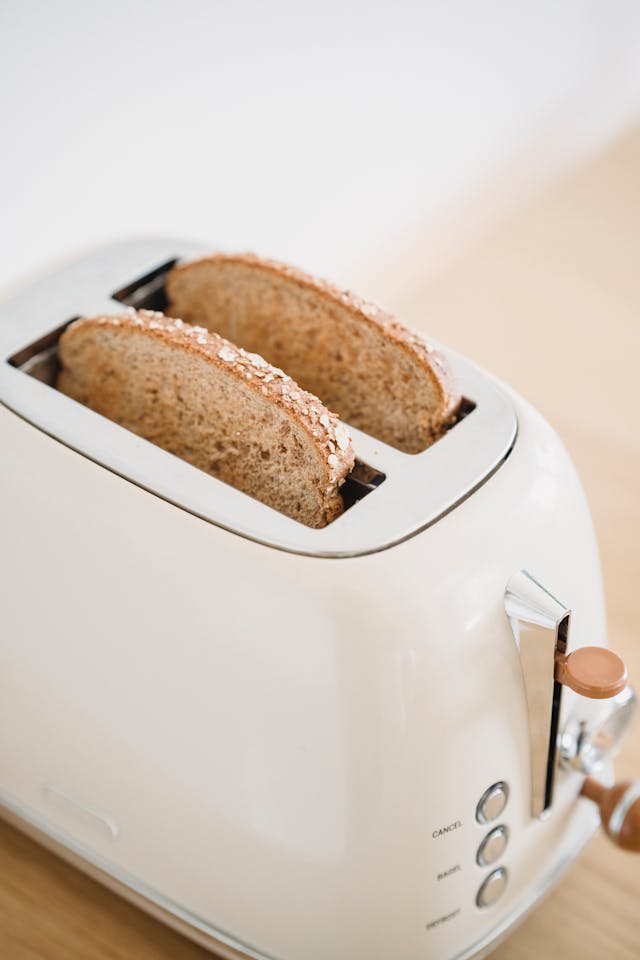
For most UK households, a toaster is more than just a kitchen appliance. It is part of the morning routine, the quick fix for a rushed lunch, or even a tool for preparing late-night snacks. Choosing the right model, however, is not always as simple as it seems. Prices vary widely, and so do the features. Some units focus on speed, others on consistency, and premium models on design or multifunctionality. Understanding how to compare models effectively ensures that you get the best value for your money and a product that genuinely suits your needs.
 One of the first elements to consider when comparing toasters is slot size and capacity. Households that often use larger bread slices, crumpets, or bagels will benefit from wide-slot designs. Families, on the other hand, may prefer four-slice toasters for convenience, while single users might opt for compact two-slice models. Features such as browning control, reheat functions, and defrost settings are not just marketing extras but practical tools that improve usability. Identifying which features you will genuinely use helps avoid overspending on unnecessary options and ensures a better match between price and performance.
The next crucial factor is energy efficiency and durability. A low-cost toaster might look attractive at first, but if it consumes more power or fails within a year, the savings disappear. Checking energy ratings and build quality is therefore essential. Online comparison tools play a significant role in this process. For example, daddyprice allows shoppers to monitor real-time offers across multiple UK retailers, helping them pinpoint where genuine bargains are available. By analysing pricing trends rather than focusing only on upfront costs, buyers make smarter, longer-term decisions.
Price brackets also help structure the search. Entry-level models under £30 usually cover the basics, making them suitable for students or households with minimal needs. Mid-range options (£40–£80) offer improved consistency and better finishes, often with additional features like lift-and-look or high-lift levers for smaller items. Premium models, which can exceed £100, justify their price through durability, aesthetic appeal, and advanced technology such as smart browning sensors. Choosing the right bracket depends on your lifestyle and how frequently you use the appliance.
Aesthetic considerations should not be underestimated either. Toasters are typically placed on kitchen countertops, visible every day. For some households, design is almost as important as function. Sleek stainless steel models suit modern interiors, while colourful retro styles add charm to traditional kitchens. Investing in a model that matches the overall kitchen design contributes to everyday satisfaction. A toaster that pleases the eye and performs well brings double the value.
Another important point in price comparison is warranty and after-sales service. A toaster with a longer guarantee period indicates the manufacturer’s confidence in its durability. Some brands also offer better customer support, with replacement parts or repair options readily available. These factors, although less visible at purchase, significantly affect long-term value. Paying slightly more upfront for stronger warranty coverage often prevents higher costs later.
Technological innovation has also entered the toaster market. Models equipped with digital displays, countdown timers, or smart sensors allow for greater precision and convenience. While not essential for everyone, these features can make daily use more enjoyable and reduce the risk of burning toast. Budget-conscious buyers should weigh whether such innovations justify the price difference. Balancing practicality with modern technology ensures satisfaction without overspending.
Finally, the most effective way to secure the best value is to combine detailed research with timing. Prices fluctuate seasonally, often dropping during big sales events like Black Friday or January clearances. Monitoring deals and being flexible about when to buy can lead to substantial savings. More importantly, comparing several models side by side clarifies which features are truly beneficial and which are simply nice-to-have. When informed choices meet well-timed purchases, buyers maximise both savings and satisfaction.